

NEWS DETAIL
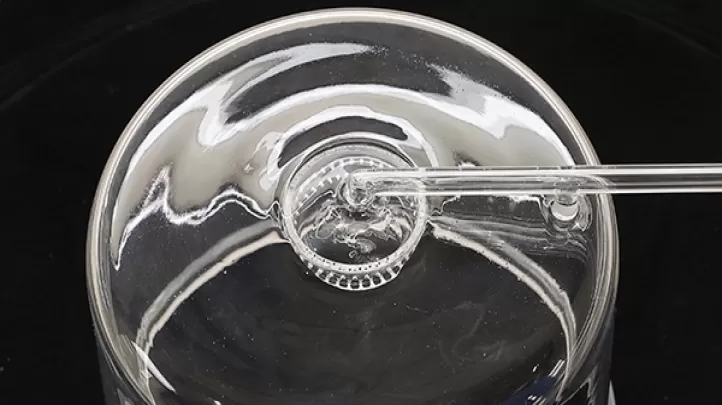
Raw Material Selection: The Foundation of Consistency
Consistency in quartz products begins with selecting the highest quality raw materials. Impurities, crystal structure variations, and particle size differences can significantly impact the performance, appearance, and durability of the final product. By sourcing high-purity quartz from reliable suppliers and implementing stringent testing protocols—including chemical composition analysis and particle size measurement—manufacturers can ensure raw material uniformity across all batches. Traceability of each batch also plays a critical role in identifying potential sources of variation and minimizing inconsistencies before production even begins. Experience shows that meticulous attention to raw material quality reduces downstream issues, allowing for a stable and repeatable manufacturing process.
Precision in Manufacturing Processes
Even the best raw materials cannot guarantee consistency without precise manufacturing processes. Every step—from melting and forming to cutting and polishing—must adhere to tightly controlled parameters. Temperature fluctuations, variations in pressure, and inconsistent processing speeds can all lead to defects or deviations in performance. Utilizing automated equipment and high-precision machinery minimizes human error and ensures repeatable results. Standard operating procedures (SOPs) provide operators with clear instructions to maintain uniformity across production cycles. In addition, continuous monitoring of key process indicators helps maintain a consistent level of product quality, which is essential for applications where even minor deviations can have significant consequences.
Quality Control at Each Production Stage
Quality control is a multi-layered process designed to detect and correct variations as early as possible. For quartz products, this includes testing raw materials, inspecting semi-finished components, and performing final product evaluations. Common inspection methods include dimensional measurements, surface roughness testing, optical clarity assessments, and chemical composition verification. Maintaining detailed records at each stage allows manufacturers to trace defects, analyze trends, and implement corrective actions before larger batches are affected. Industry experience demonstrates that proactive quality control, rather than reactive measures, is the most effective way to achieve batch-to-batch consistency in quartz products.
Batch-to-Batch Verification: Statistical Process Control
Statistical Process Control (SPC) is an essential tool for monitoring batch-to-batch consistency in quartz manufacturing. By collecting and analyzing data from key quality indicators—such as dimensional tolerance, surface quality, and optical clarity—manufacturers can detect trends or deviations that may indicate a drift in production performance. Control charts, process capability indices, and variance analysis enable real-time intervention, reducing the risk of producing out-of-spec products. For example, comparing consecutive batches using SPC methods allows manufacturers to identify subtle shifts that manual inspections might miss, ensuring long-term reliability and consistency. Implementing SPC has become a standard practice in high-precision industries, including electronics, optics, and chemical processing, where quartz products are widely used.
Handling and Storage: Preventing Post-Production Variations
Even after production, quartz products can be affected by improper handling and storage. Exposure to temperature fluctuations, humidity, dust, or mechanical impact may lead to microfractures, contamination, or surface defects that compromise product consistency. Packaging plays a critical role in protecting finished products during storage and shipment, while proper warehouse management ensures that environmental conditions are consistently maintained. By establishing clear protocols for handling, storage, and transportation, manufacturers prevent post-production variations, delivering a reliable and uniform product to clients every time.